 EN
EN
 ES
ES




Spinel unisex hoodie
The Spinel unisex hoodie offers a classic and versatile look, made from 280 g/m² piqué knit in 100% cotton for year-round comfort. It features refined pick-stitch detailing, with self-fabric neck tape for added durability and side slits with self-fabric inserts for greater mobility. A heat transfer main label ensures label-free comfort. Equipped with AWARE™ traceability technology, this hoodie includes a digital product passport for verified transparency.
Size: 0 x 0 x 0
Composition: 80% Organic cotton and 20% Recycled Polyester
Weight: 534 grams
Units per box: 15 units
Box measurements: 54 x 32 x 42 (cm)
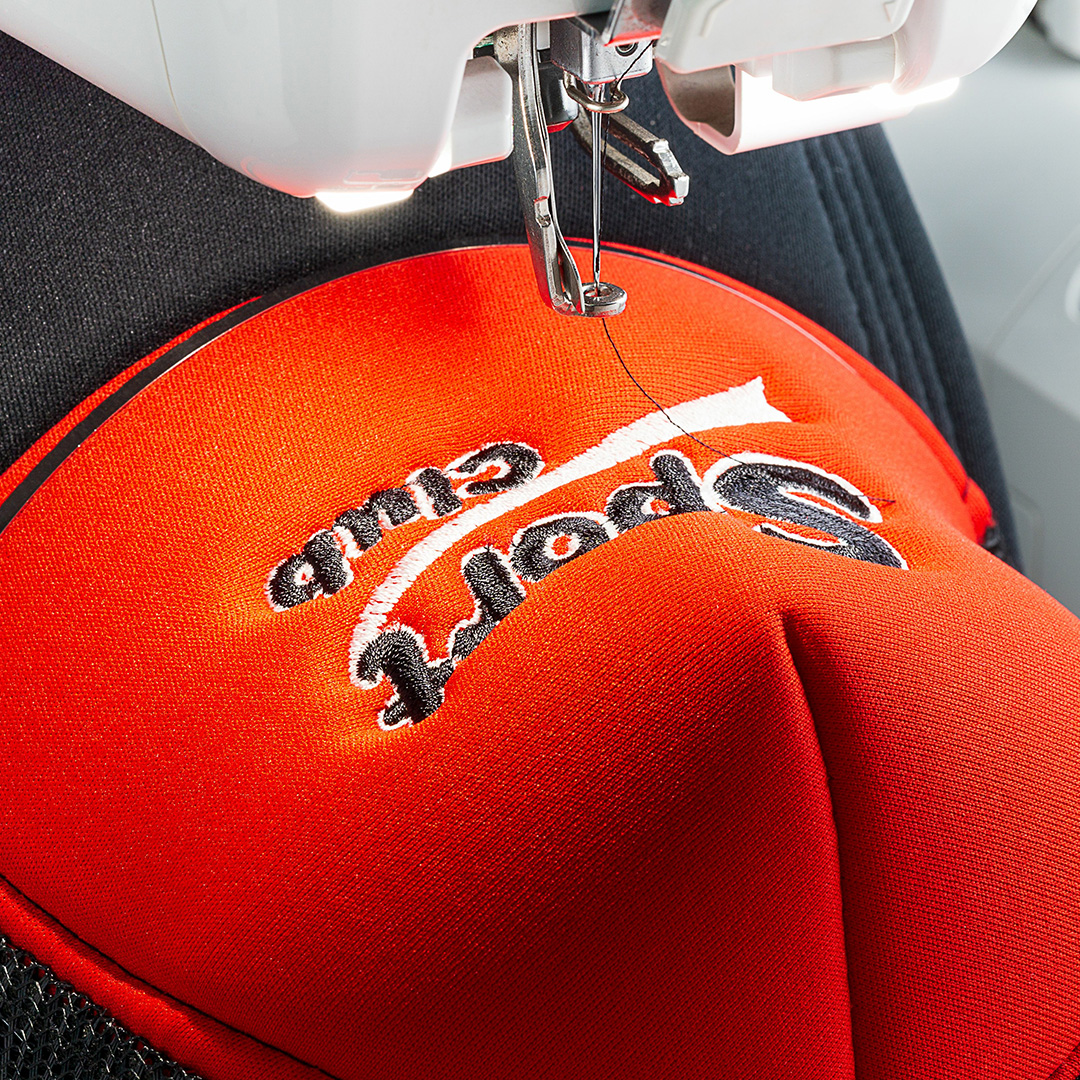
Embroidery
The traditional embroidery technique allows you to personalize different types of fabrics with a high-quality finish. This customization technique is also highly durable and relies primarily on embroidering the chosen design with different colored threads. The cost of this technique depends on the area in square centimeters to be embroidered. Embroidery is primarily used on caps, T-shirts, polo shirts, blankets, towels, and all types of textile products.
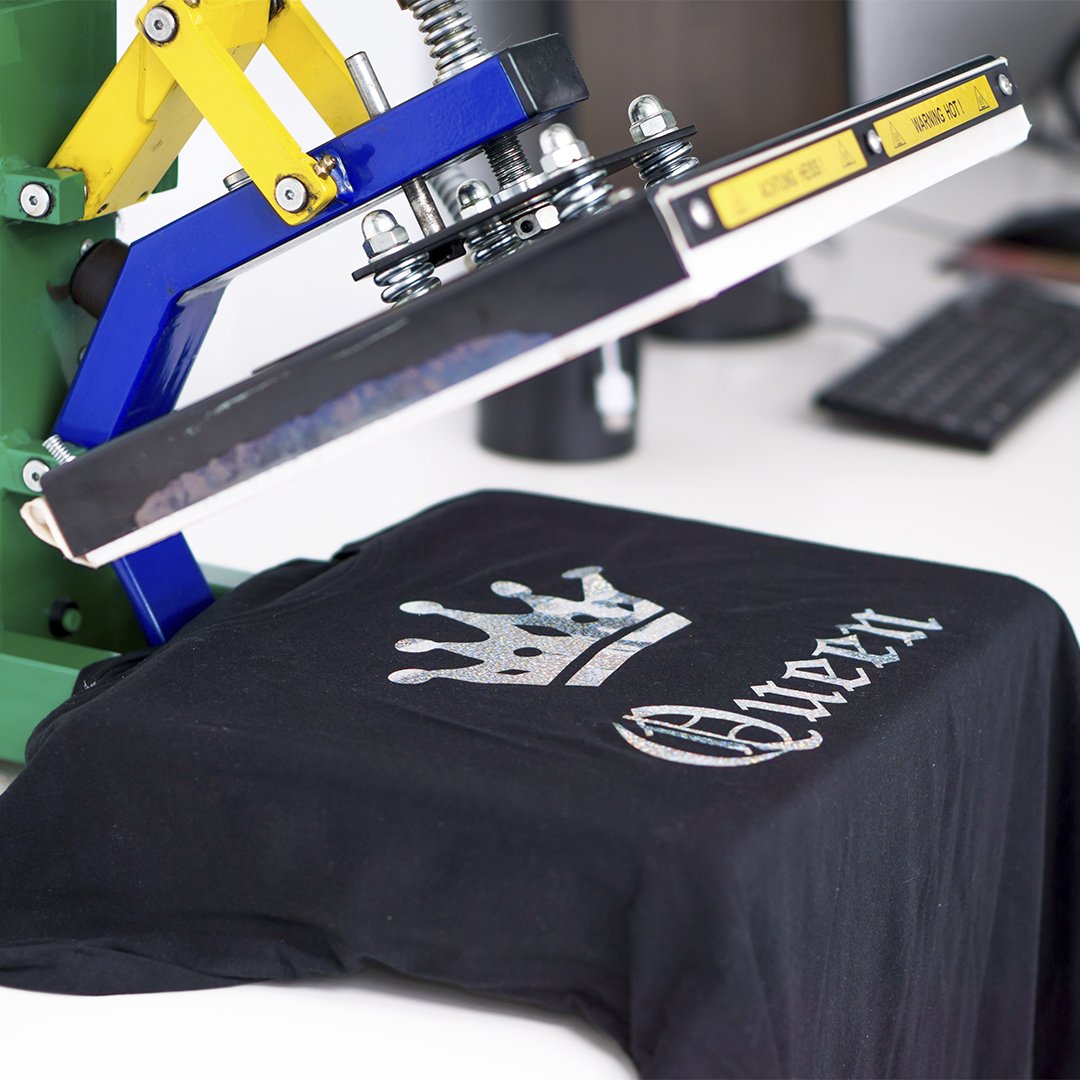
Silkscreen transfer
Silkscreen transfer is a technique similar to silkscreen printing. The difference is that instead of transferring the ink directly onto the product, it is first printed on transfer paper. This transfer paper is then applied to the product using a heat press. The advantage of this technique is that it supports four-color printing (screen printing only allows for spot colors) and achieves highly uniform results. It is suitable for small quantities of textile products. It is often used for gifts such as document holders, backpacks, non-woven bags, cork products, and soccer balls.
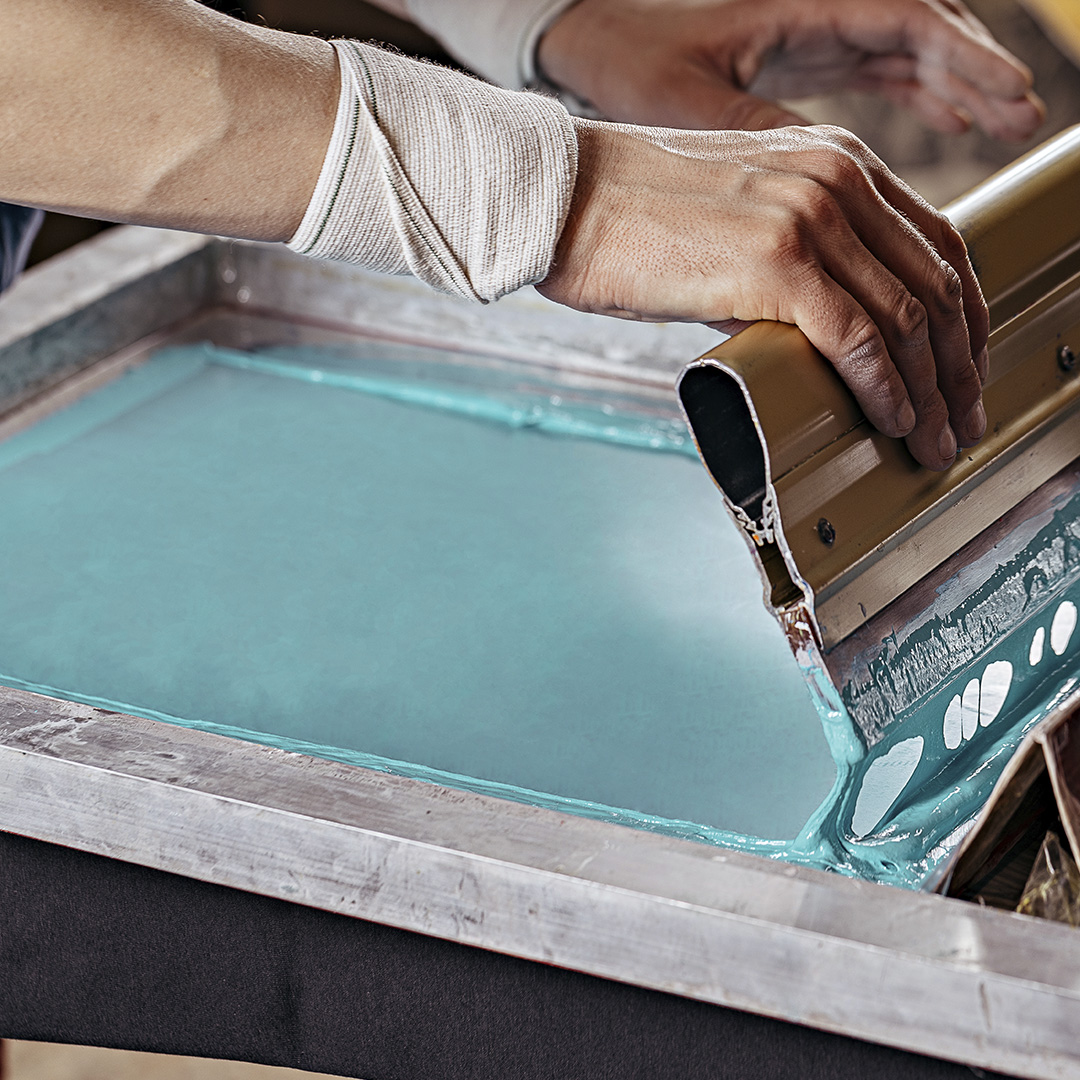
Screen Printing
Screen printing is one of the most widely used techniques, allowing printing of up to six spot colors depending on the product and providing long-lasting and reliable results. This technique is applied to smooth surfaces, achieving high-resolution images. Screen printing involves transferring the design to a screen (polyester or nylon mesh) coated with a photosensitive layer that reacts with ultraviolet light. This light hardens the areas not to be printed, allowing the design to bleed through. This technique is often used on textiles, plastics, wood, or aluminum items such as T-shirts, bags, jerry cans, notepads, backpacks, and caps.
Related products
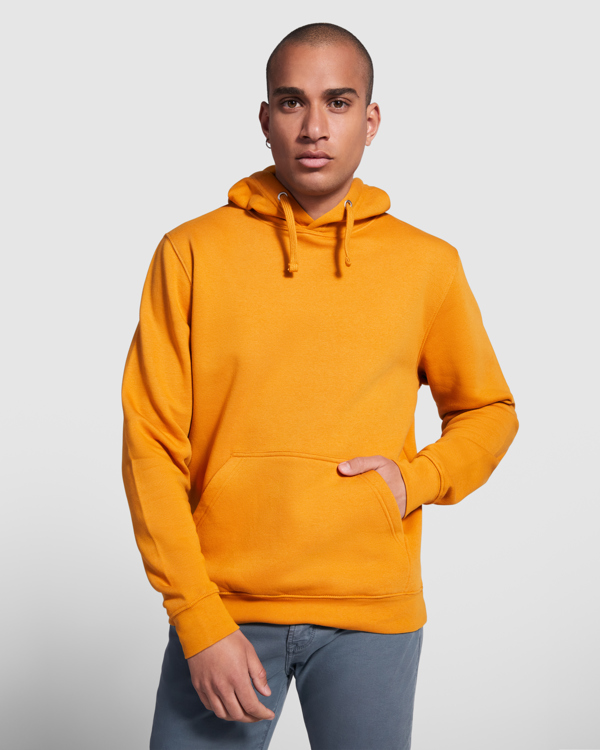
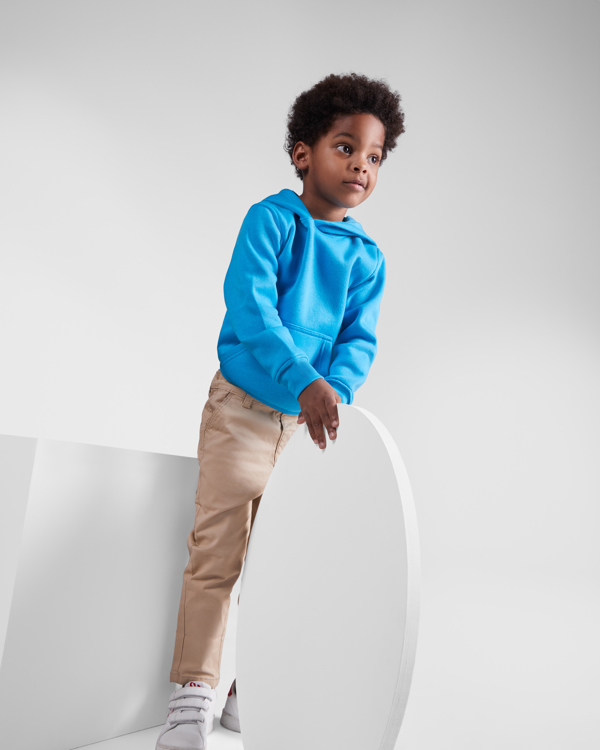
Hooded sweatshirt with kangaroo style pocket and flat adjustable drawcord. 1x1 elastane rib in cuffs
GP9SU1087
from
7,54€
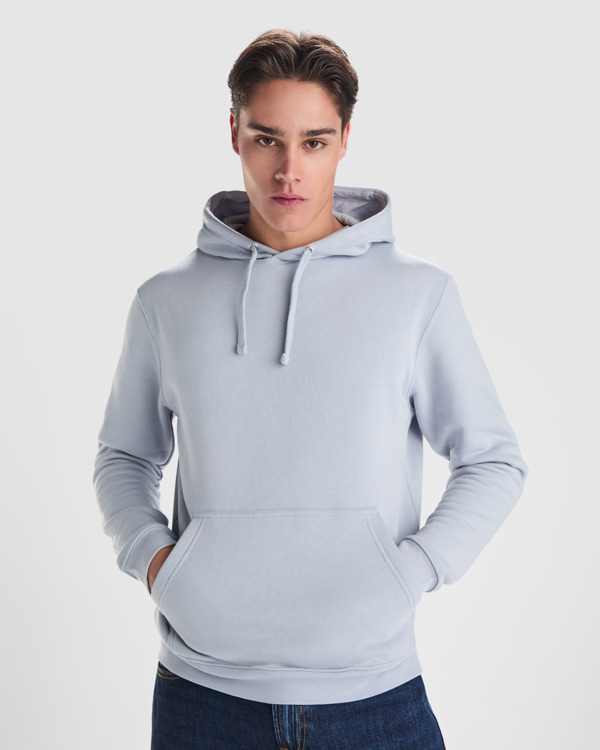
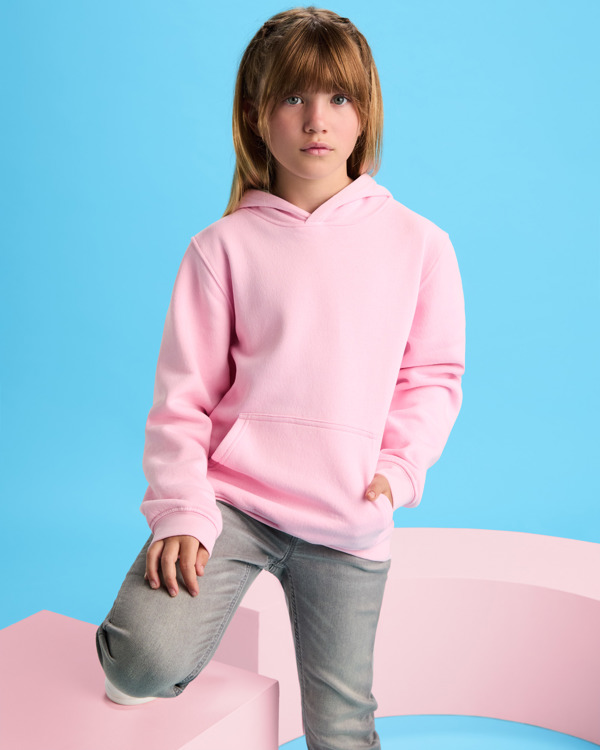
Sweatshirt with lined hood. 2x1 ribbed cuffs and waist with elastane. Taped seams in matching fabric
GP9SU1067
from
8,73€

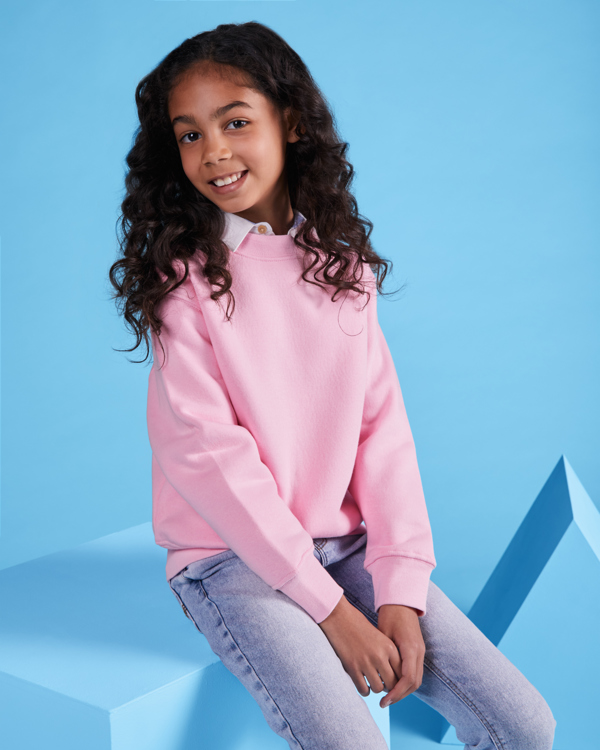
Unisex round neck sweatshirt. Neck, cuffs and waist in 2x1 rib with elastane. Taped seams in matchin
GP9SU1070
from
6,65€
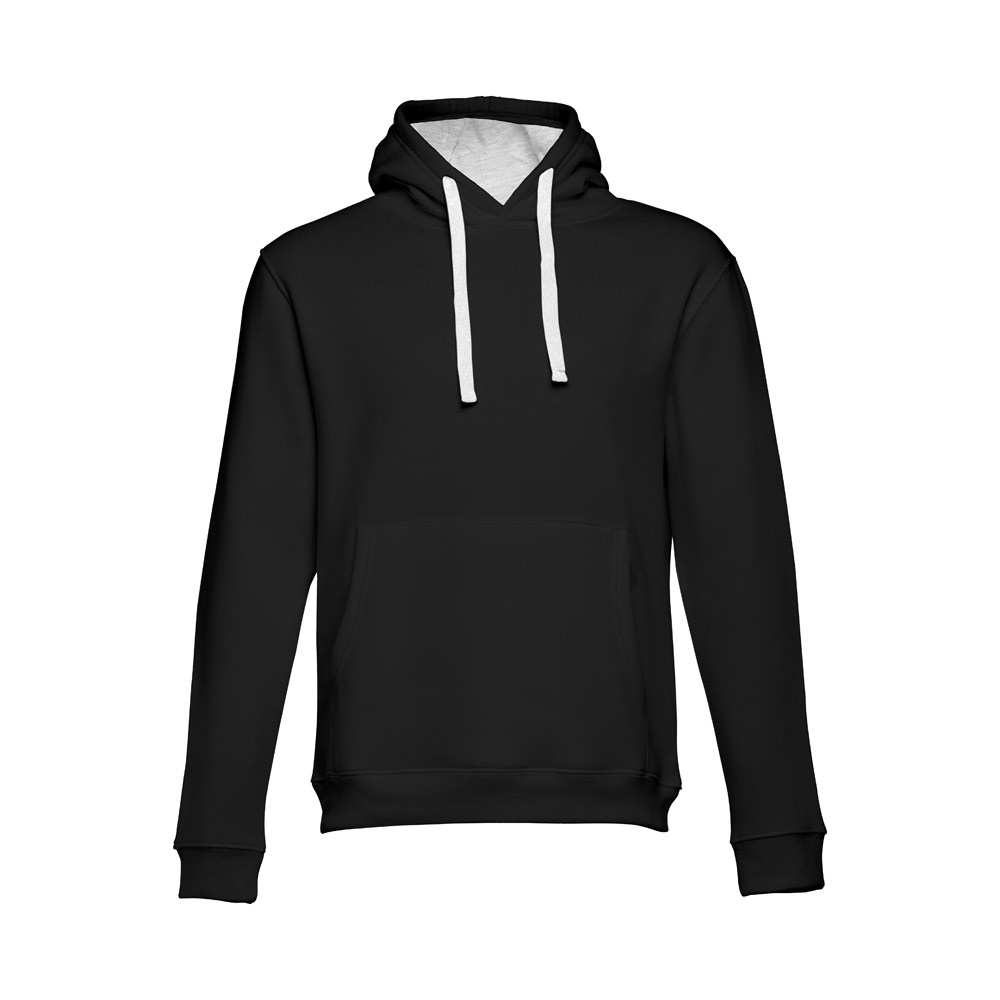
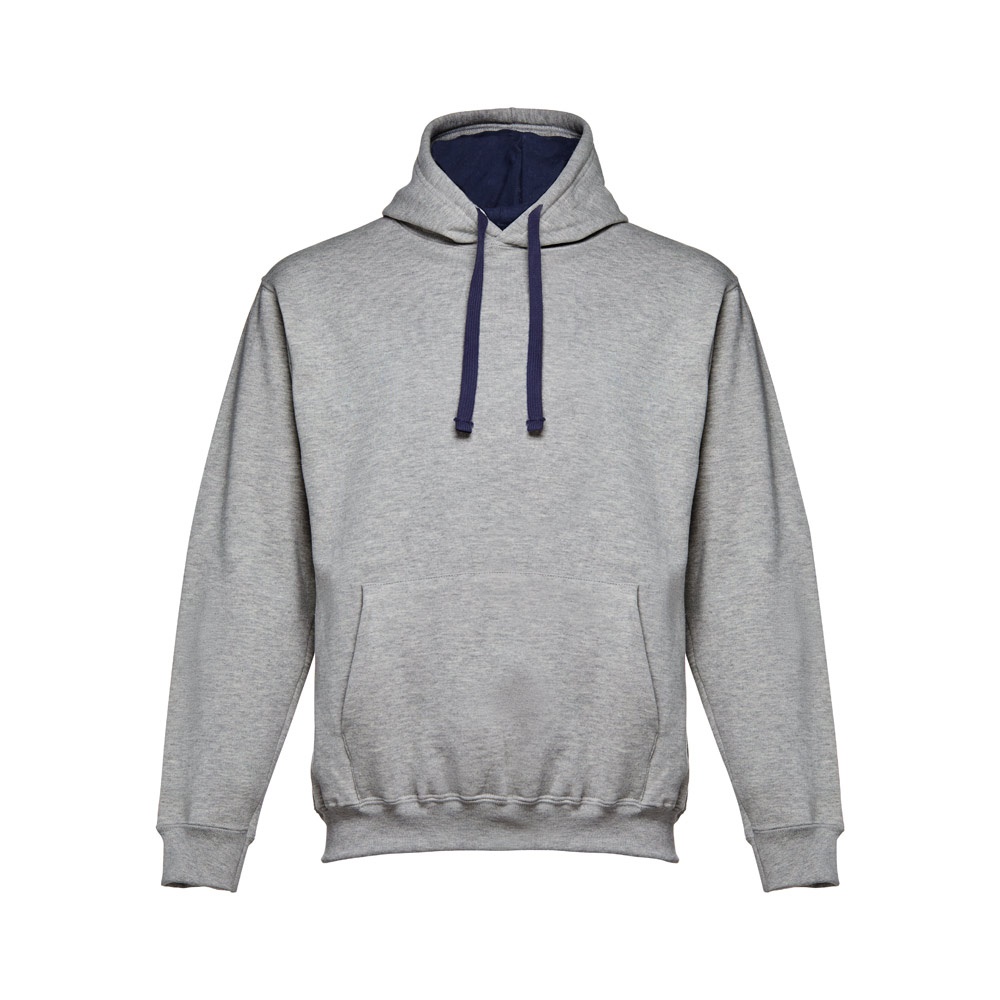
Sweatshirt (unisex) 50% cotton and 50% polyester (320 g/m²) with carded interior. Features rib 1x1 c
GP3110190
from
12,27€


