EN
EN
 ES
ES




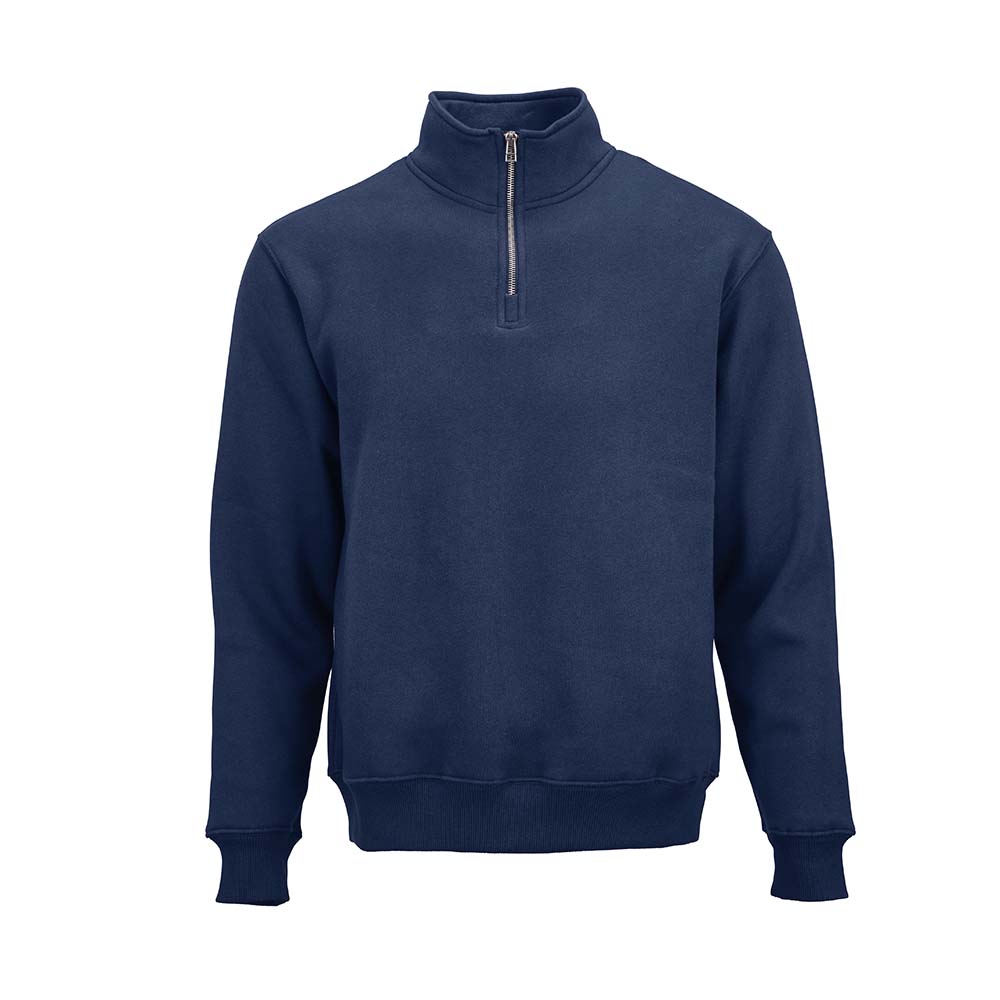
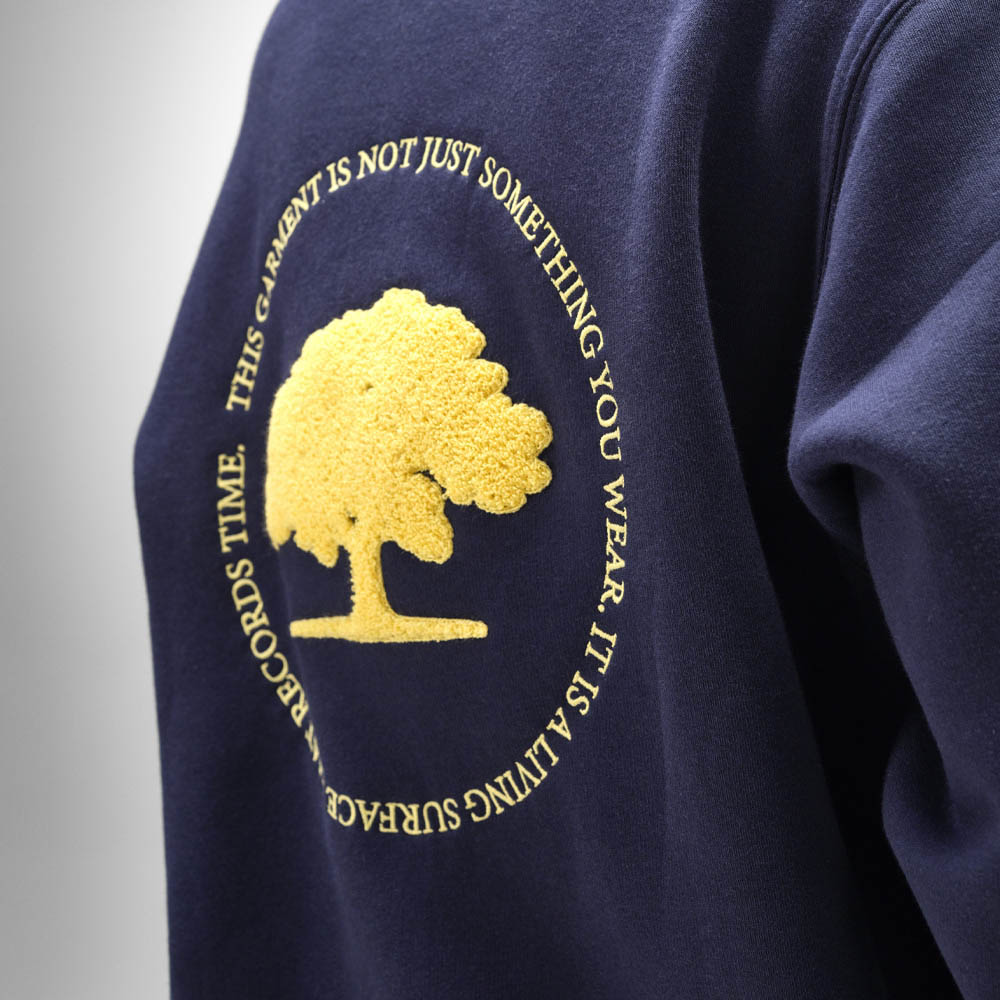
Bondi U Sweatshirt
Bondi U unisex brushed fleece hooded sweatshirt. Made from 85% organic ringspun cotton and 15% recycled polyester, 300gsm. Two-panel double-fabric hood with matching flat adjustable drawcords. Front kangaroo pocket with reinforced corners. 1x1 ribbed cuffs and hem, resistant to deformation. Reinforced herringbone neck tape inside the collar. No brand label at the neckline. Sizes: S to 3XL. Available in 9 colours.
Size: 35x40x60
Composition: Recycled Cotton
Weight: 639 grams
Units per box: 20 units
Doming textile
Textile doming involves applying a full-color print coated with resin, creating a three-dimensional effect with a glossy, eye-catching finish. It offers good definition and a strong visual impact, although it is sensitive to heat, impacts, and prolonged exposure.
It is applied to products such as aprons, caps, t-shirts, sweatshirts, polo shirts, etc.
Advantages: 3D effect with a glossy finish, full color with good definition, high visual impact
Limitations: Less flexibility on curved surfaces, may yellow with UV exposure, sensitive to intense heat, strong impact can damage the resin
It is applied to products such as aprons, caps, t-shirts, sweatshirts, polo shirts, etc.
Advantages: 3D effect with a glossy finish, full color with good definition, high visual impact
Limitations: Less flexibility on curved surfaces, may yellow with UV exposure, sensitive to intense heat, strong impact can damage the resin
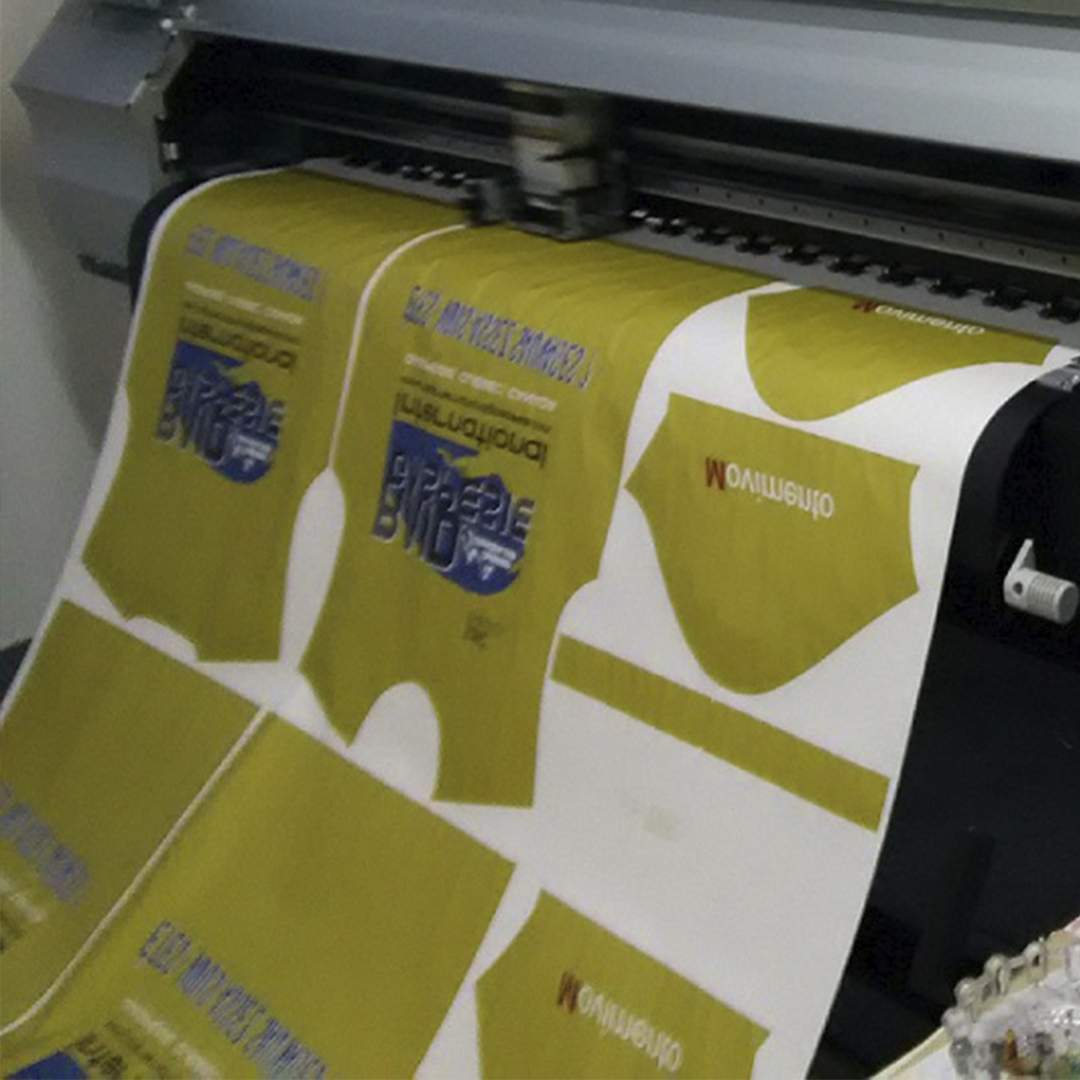
Digital transfer
Digital transfer is ideal for digitally marking small quantities and without color limitations. It's used on products such as document holders, backpacks, non-woven bags, cork products, and soccer balls.
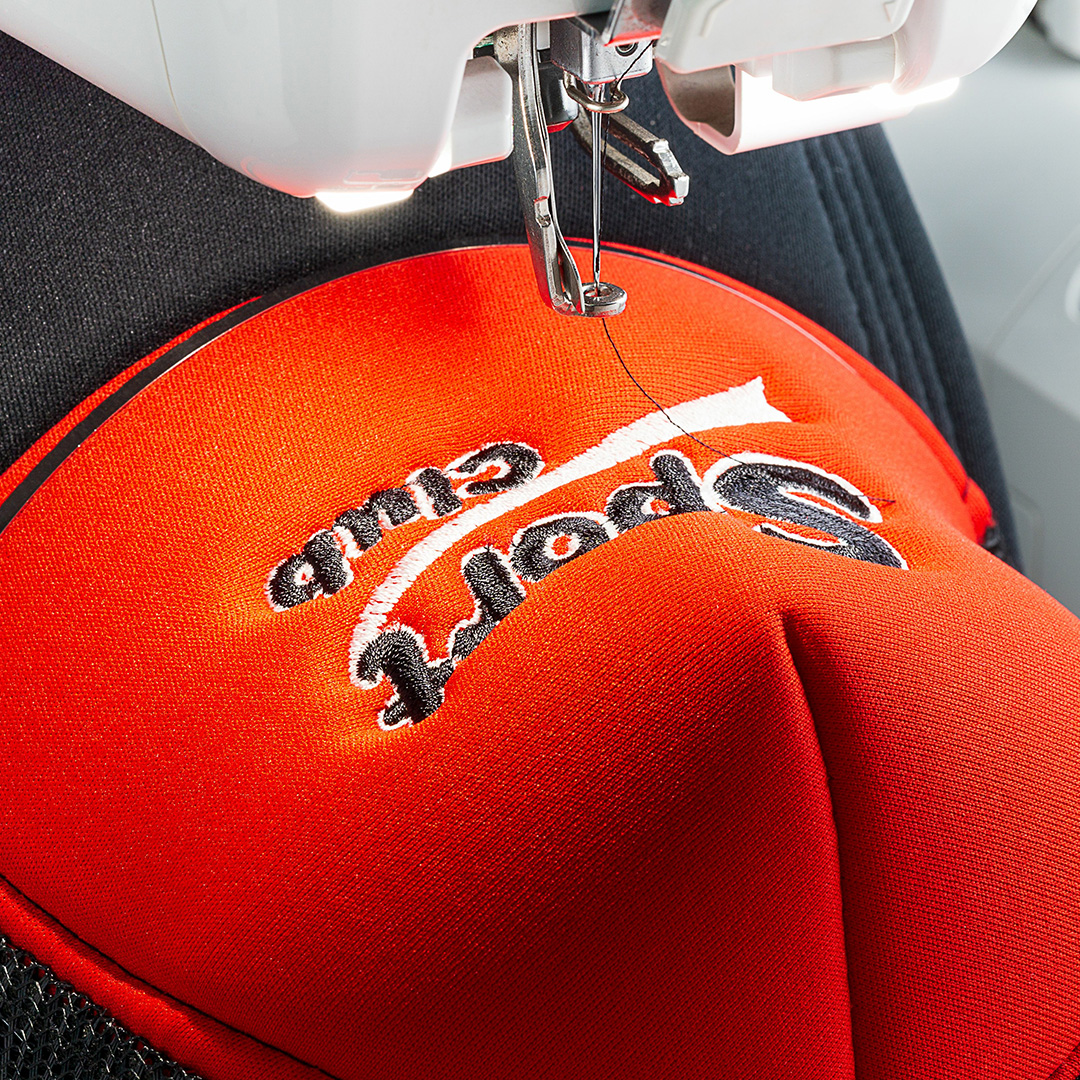
Embroidery
The traditional embroidery technique allows you to personalize different types of fabrics with a high-quality finish. This customization technique is also highly durable and relies primarily on embroidering the chosen design with different colored threads. The cost of this technique depends on the area in square centimeters to be embroidered. Embroidery is primarily used on caps, T-shirts, polo shirts, blankets, towels, and all types of textile products.

Textile screen printing
Textile screen printing is the same process as silkscreen printing, but optimized for use on fabrics. It's used on promotional products such as aprons, fleece fabrics (sweaters, vests, etc.), and non-woven bags.
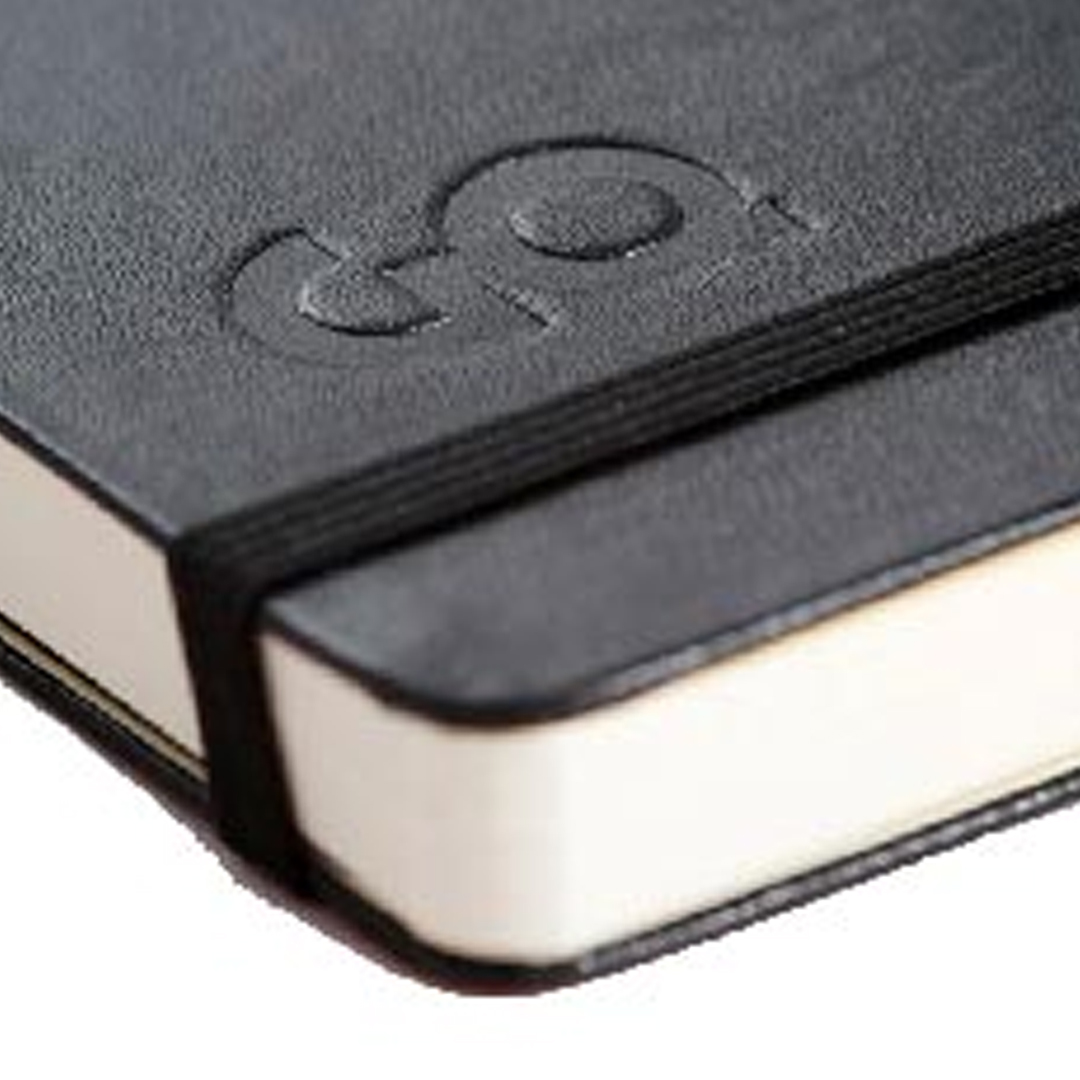
Hot Stamping
Heat embossing is a technique that involves marking a logo or text in bas-relief. The design is inverted on metal and reproduced using a heat press on leather, leatherette, and some plastic products. This technique combines pressure with temperature and time. Ink is not allowed, but a metallic color can be applied to the mold, giving the product its unique character. The most commonly used color is silver. The finishes are defined and very elegant, which is why it is often used on promotional products such as diaries, folders, notepads, and wallets.

Direct to Garment
Direct to Garment, or direct digital printing on textiles, is a full-color printing method for textiles, ideal for small quantities.
Related products
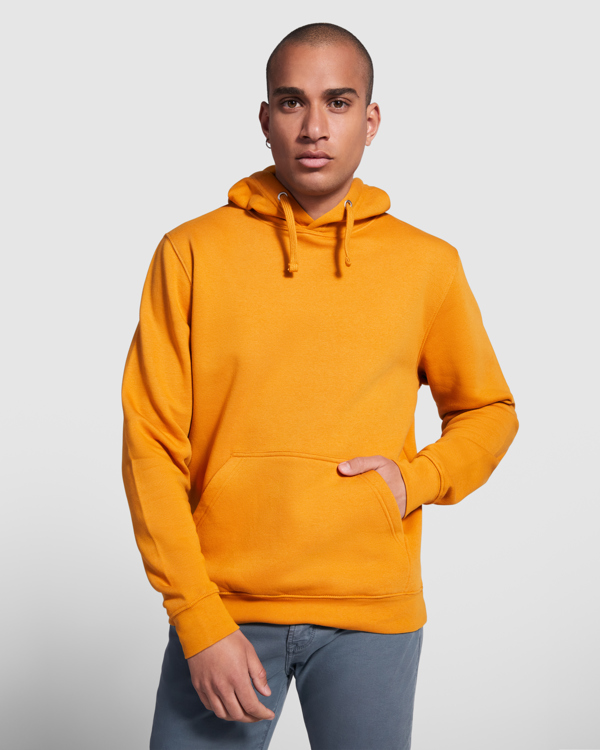

Hooded sweatshirt with kangaroo style pocket and flat adjustable drawcord. 1x1 elastane rib in cuffs
GP9SU1087
from
7,54€
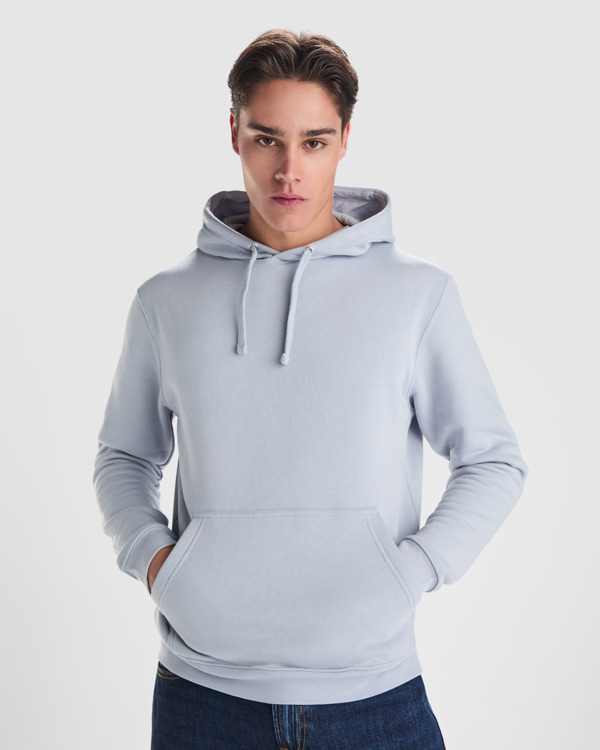
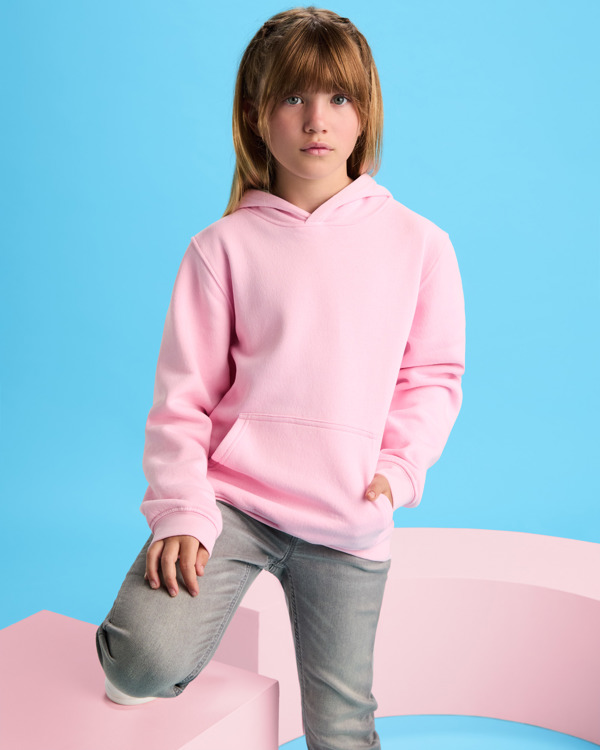
Sweatshirt with lined hood. 2x1 ribbed cuffs and waist with elastane. Taped seams in matching fabric
GP9SU1067
from
8,73€

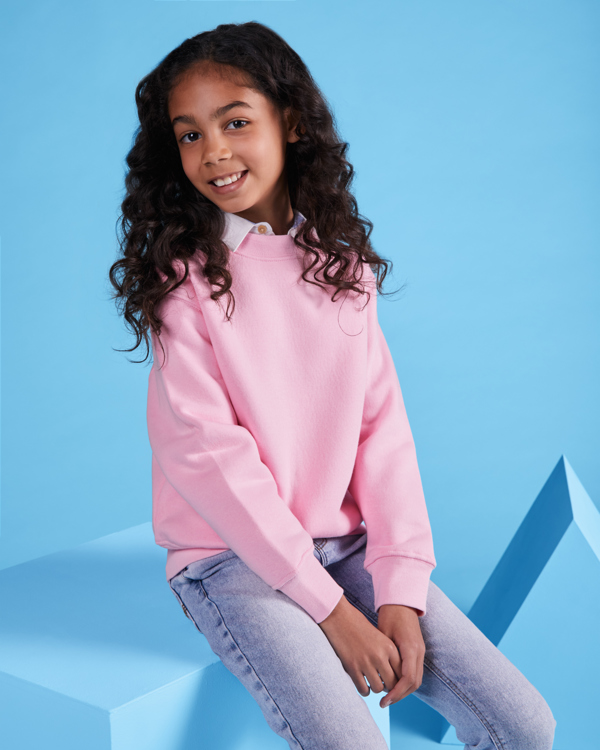
Unisex round neck sweatshirt. Neck, cuffs and waist in 2x1 rib with elastane. Taped seams in matchin
GP9SU1070
from
6,65€