 EN
EN
 ES
ES




Sustainable materials: Corn-based PLA
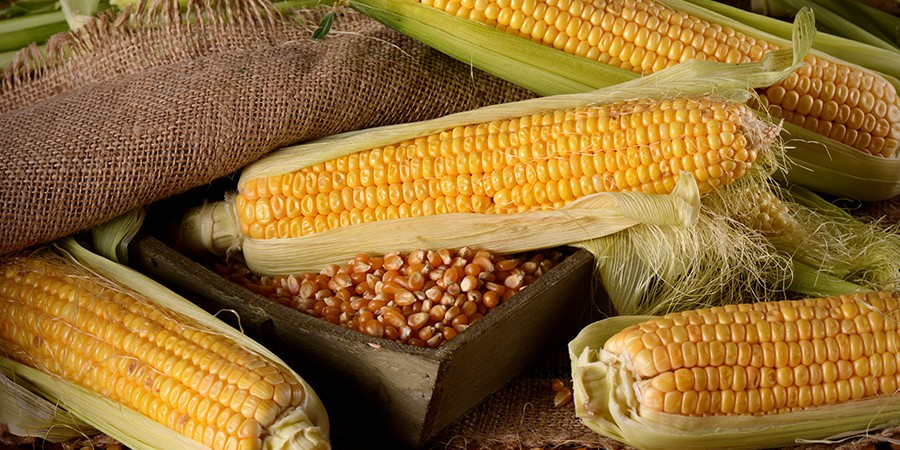
What is corn PLA?
PLA (polylactic acid) is a natural plastic substitute made from fermented vegetable starch, usually corn.
This bioplastic is an ecological, renewable and fully compostable alternative to conventional plastics made from petroleum.
Biodegradable vs bio compostable
Compostable plastics are those bio-plastics that go beyond biodegradable.
According to the dictionary, a product or substance is biodegradable when:
“ It can be broken down into natural chemical elements by the action of biological agents, such as the sun, water, bacteria, plants or animals .”
But compostable plastic, in addition to decomposing, becomes compost or fertilizer. Its biodegradation allows soil microorganisms to use it as food, so it is reintegrated into natural and agricultural cycles. This organic matter cycle is closed, preventing soil contamination or the emissions caused by waste transformation.
What types of products are made with corn starch?
Compostable packaging is as clear as traditional plastics, making it ideal for use with food (at low temperatures), but not exclusively. All sorts of items can be made with this bioplastic, such as cutlery, cups, bottles, raincoats, and more.
Advantages of corn PLA
Extracted directly from the plant and manufactured in an ECO-responsible way, it contains NO chemicals and degrades without leaving a trace.
- Durable, corn starch is converted into a polymer, the main ingredient in materials that have an appearance and feel similar to conventional plastic.
- You can recycle it by composting it at home or at a community composting center.
Disadvantages of Corn PLA
- It is not heat resistant and will warp when exposed to high temperatures. Products made with this material are not suitable for microwave use or for holding hot beverages, for example.
- Currently, PLA made from corn is more expensive than conventional plastic.
Every day, the world becomes more aware of the environment, the need to protect it, and is taking action. Replacing petroleum-based plastics with eco-friendly alternatives is a good start. But it's also very important to choose reusable products over single-use ones.
- 21/03/2026
- Original gifts
Share on


