 EN
EN
 ES
ES




Copenhagen Backpack
The Copenhagen is a water-resistant backpack made of 240gsm recycled cotton canvas with a PU coating. The side pocket can house a 15.6” laptop, and the large 20L capacity central compartment is secured with a drawstring and unique “G” buckle closure to keep your contents dry. A padded lumber section hides a pocket for valuable documents, and the front zippered pocket provides useful and additional storage. A detachable front patch to the front allows for easy customisation. Presented in a recycled cotton bag and individual kraft box.
Size: 29x45x14
Composition: Recycled Cotton
Weight: 933 grams
Units per box: 6 units
Box measurements: 49 x 38 x 52 (cm)
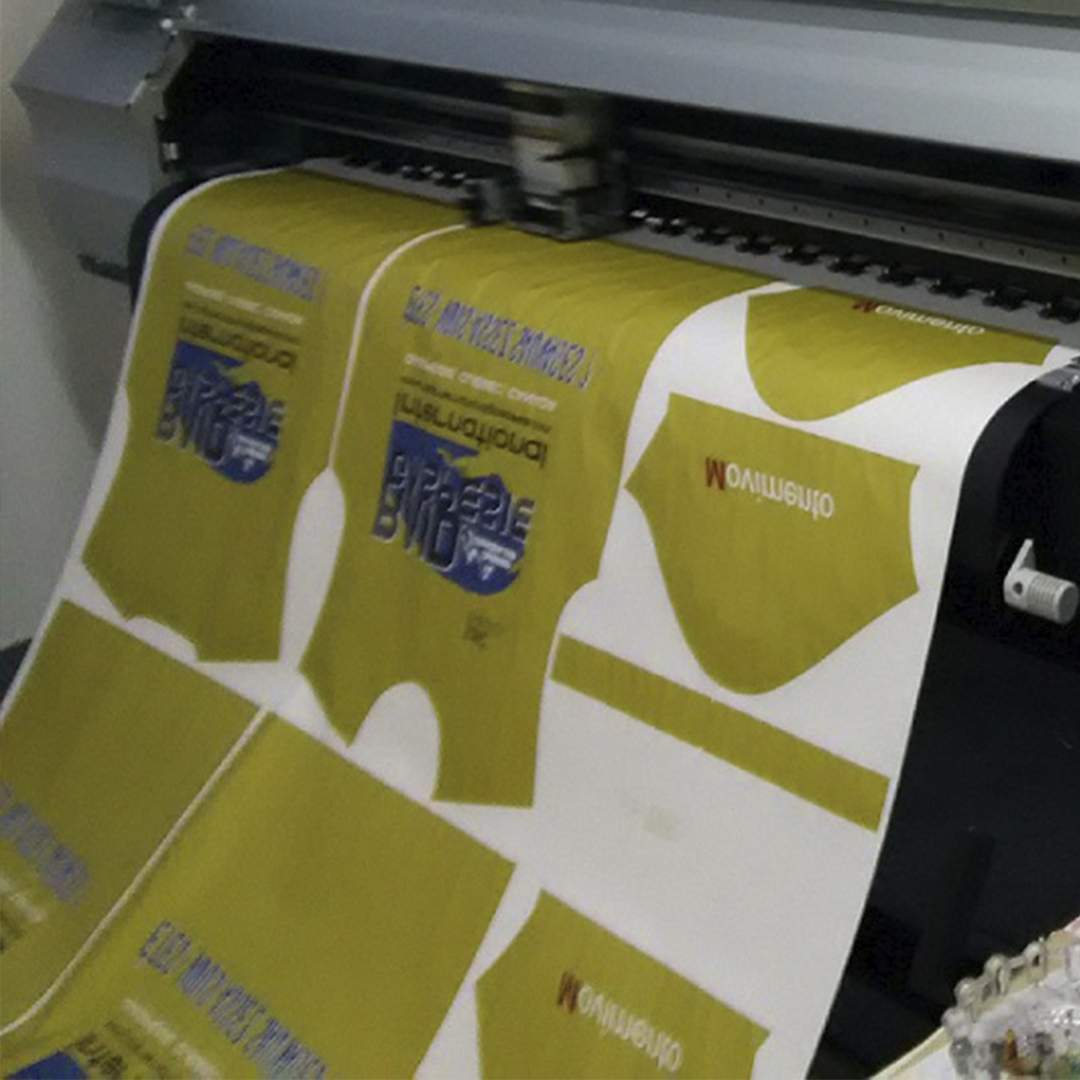
Digital transfer
Digital transfer is ideal for digitally marking small quantities and without color limitations. It's used on products such as document holders, backpacks, non-woven bags, cork products, and soccer balls.

Textile screen printing
Textile screen printing is the same process as silkscreen printing, but optimized for use on fabrics. It's used on promotional products such as aprons, fleece fabrics (sweaters, vests, etc.), and non-woven bags.
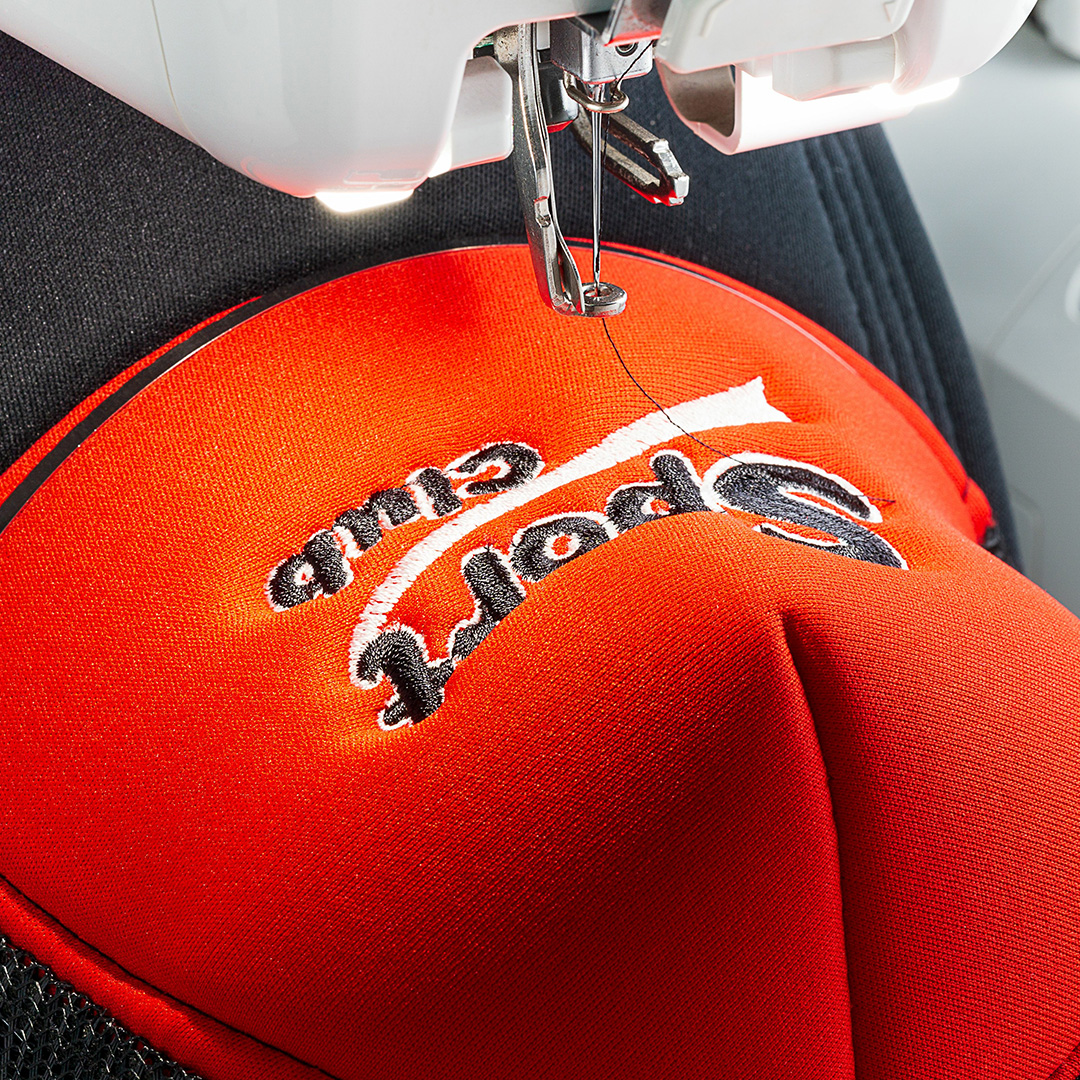
Embroidery
The traditional embroidery technique allows you to personalize different types of fabrics with a high-quality finish. This customization technique is also highly durable and relies primarily on embroidering the chosen design with different colored threads. The cost of this technique depends on the area in square centimeters to be embroidered. Embroidery is primarily used on caps, T-shirts, polo shirts, blankets, towels, and all types of textile products.
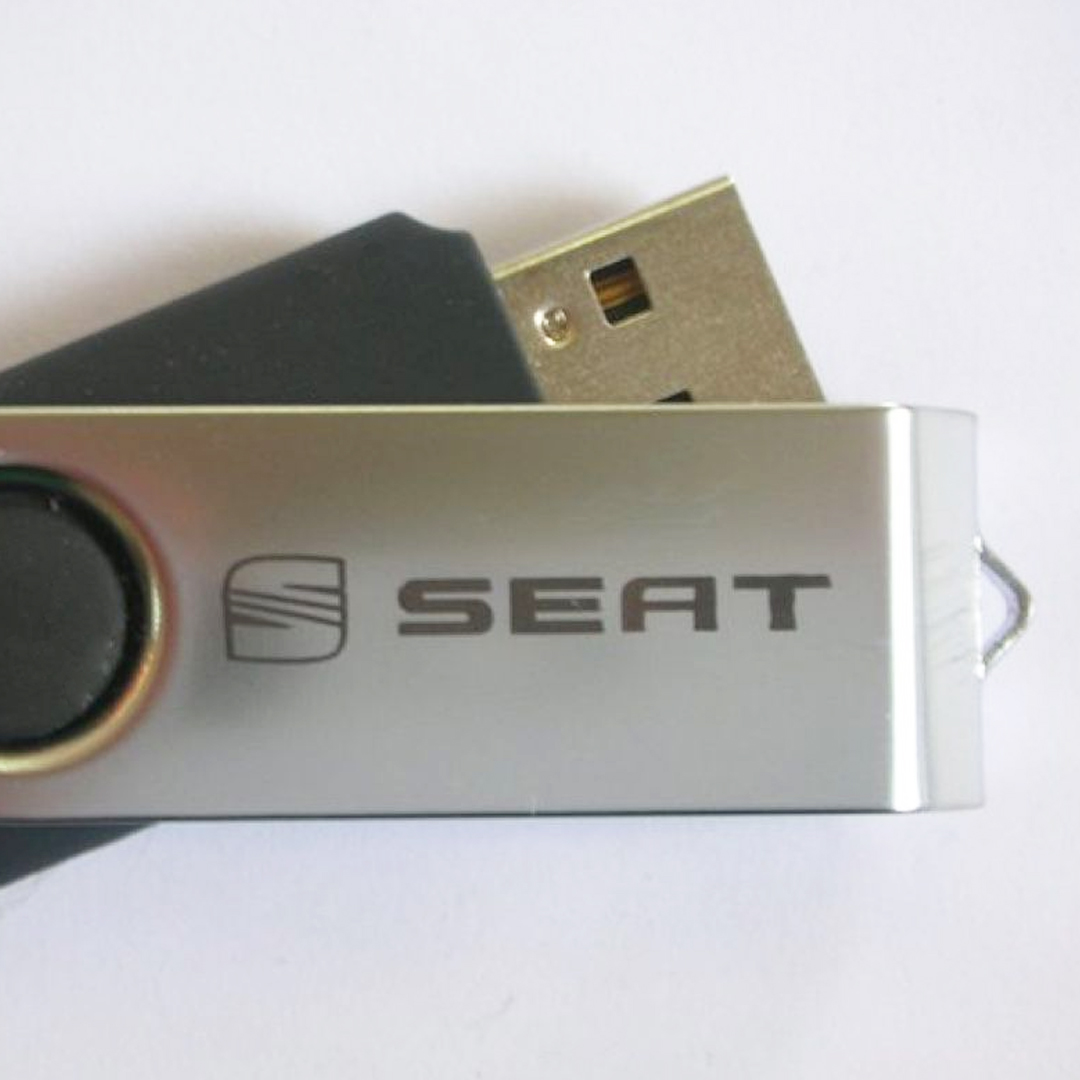
Laser engraving
Laser engraving is one of the most precise and durable marking techniques available. A computer-guided laser beam is projected onto the surface of the product, creating a low-relief design. The result is sharp and elegant. The most suitable materials for this customization technique are metal, wood, or glass. This technique is commonly used on keychains, pens, and USB flash drives.
Related products
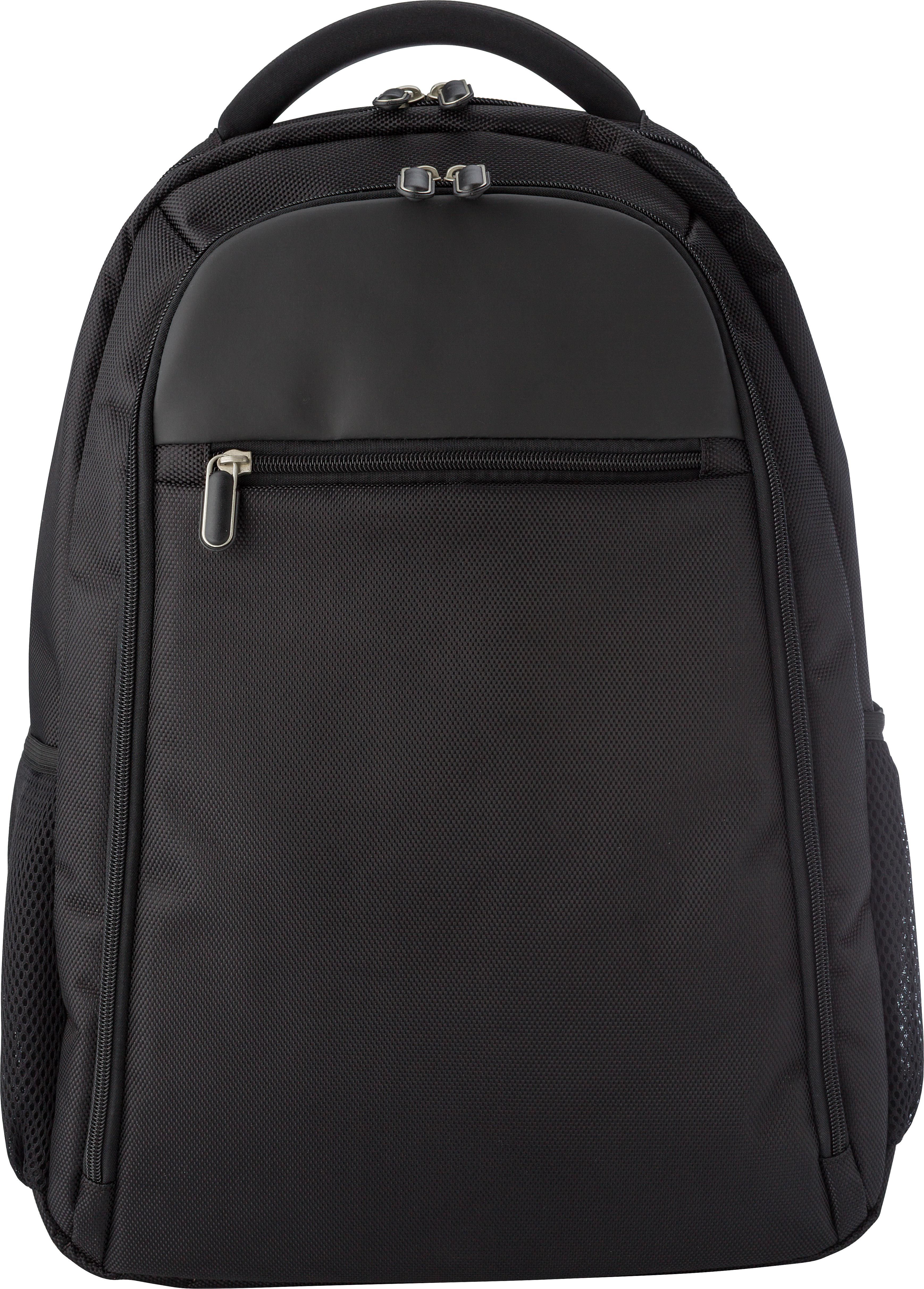
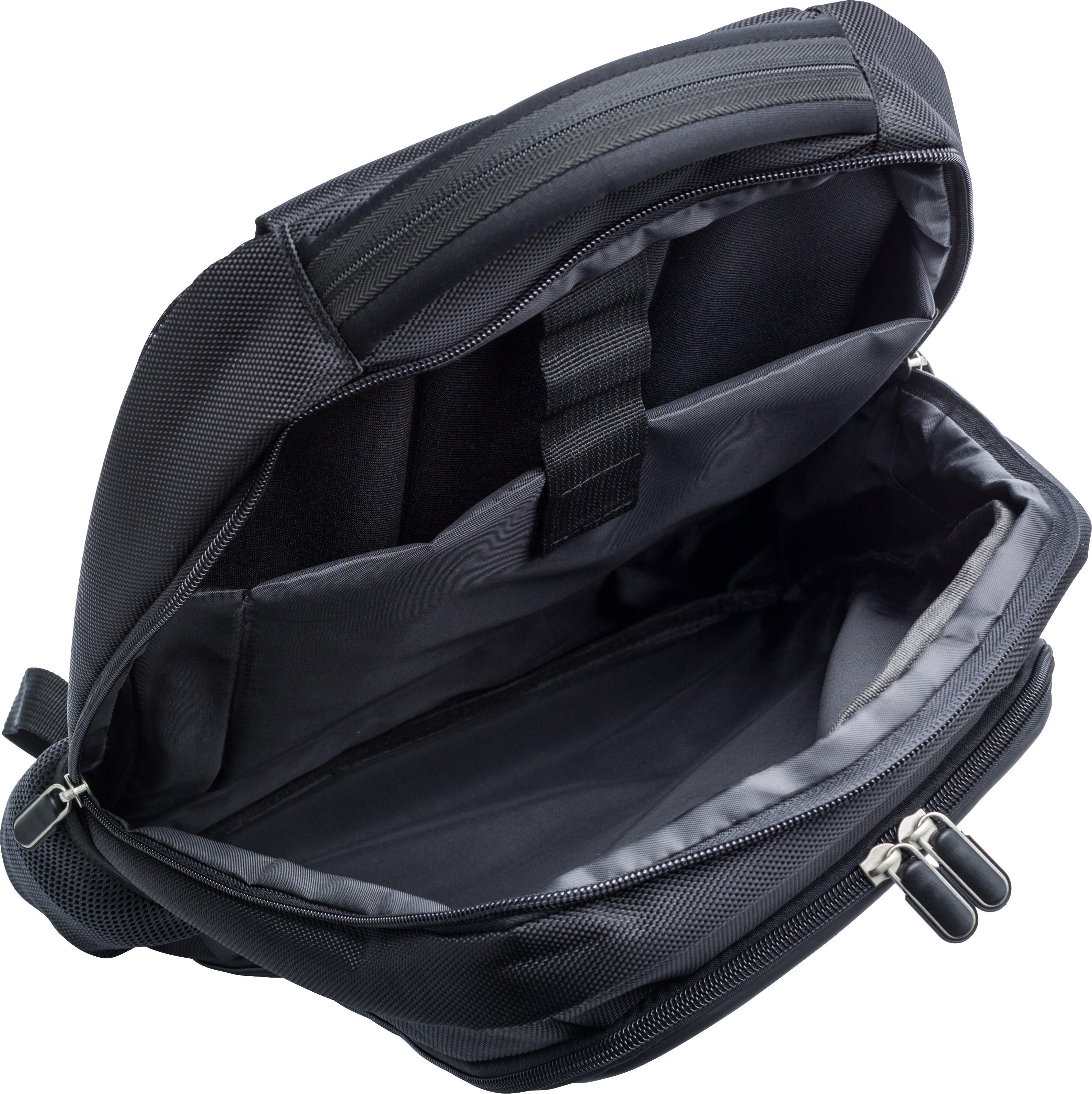
Polyester (1680D) laptop backpack with padded laptop compartment (15 inch) with padded and zippered
GP473098
from
14,70€
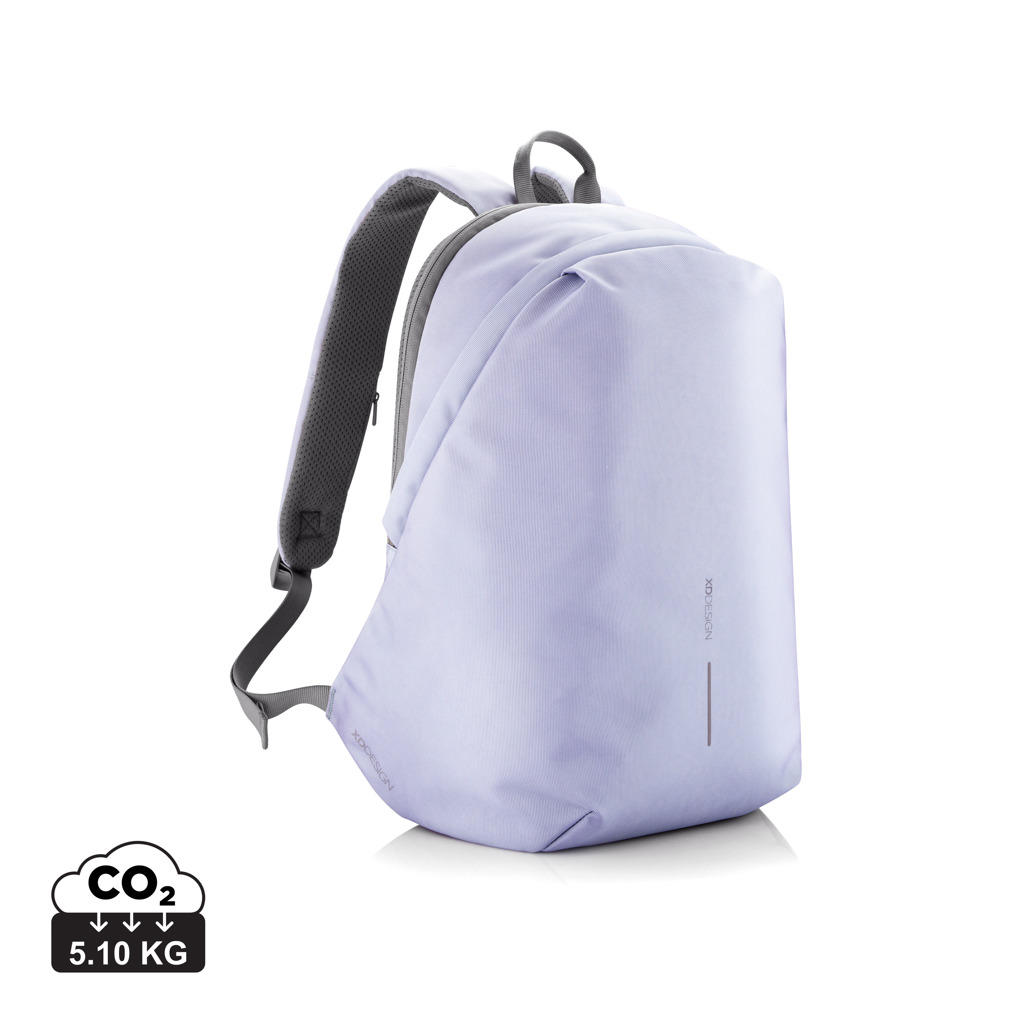
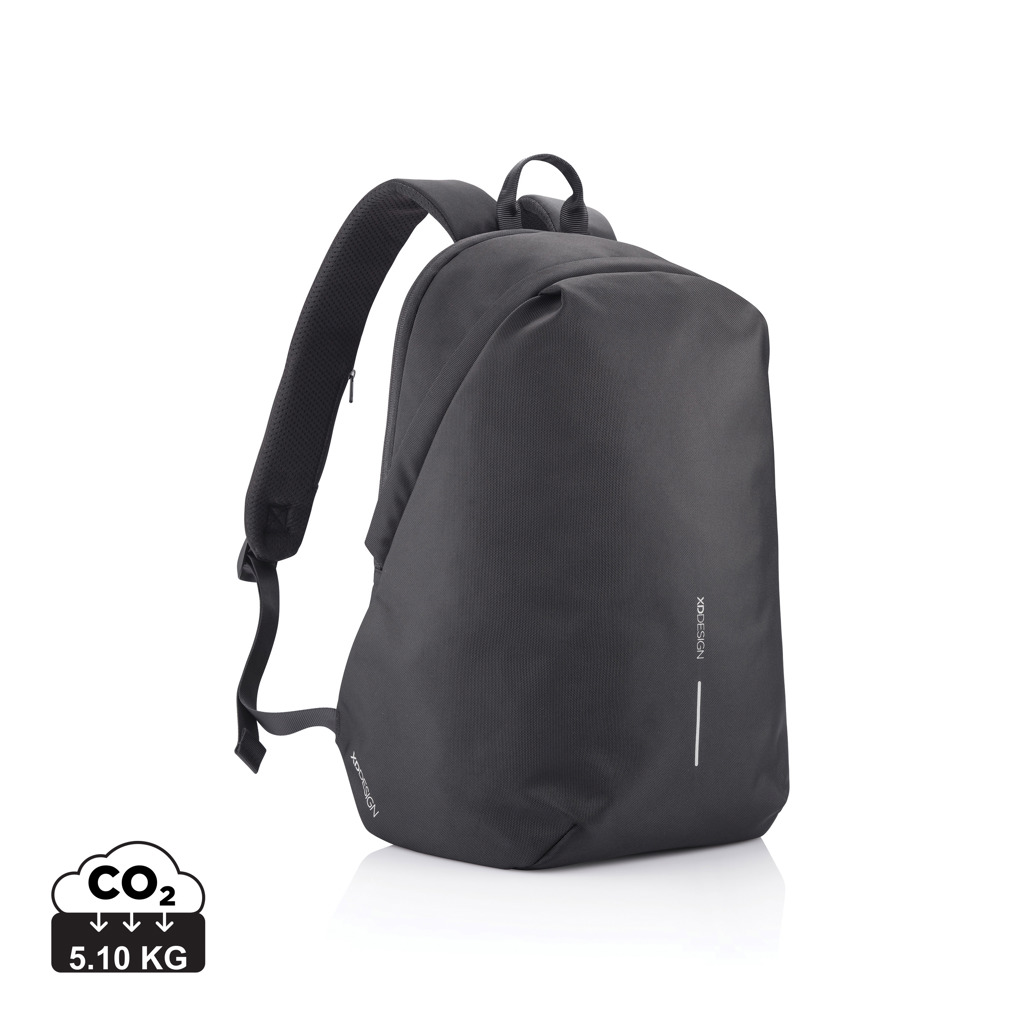
For university, school, work, or your next trip, the Bobby Soft Backpack is ready! The iconic Bobby
GP2P70579
from
38,14€
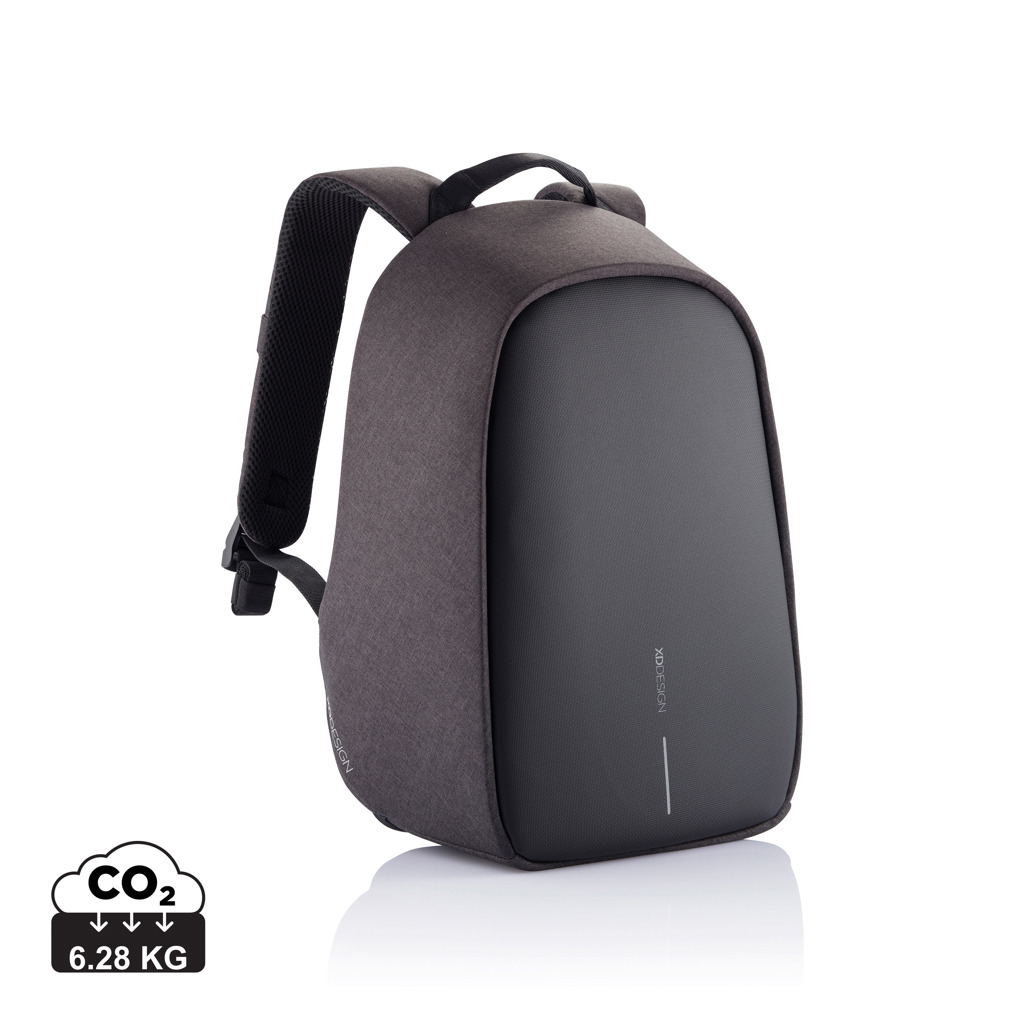
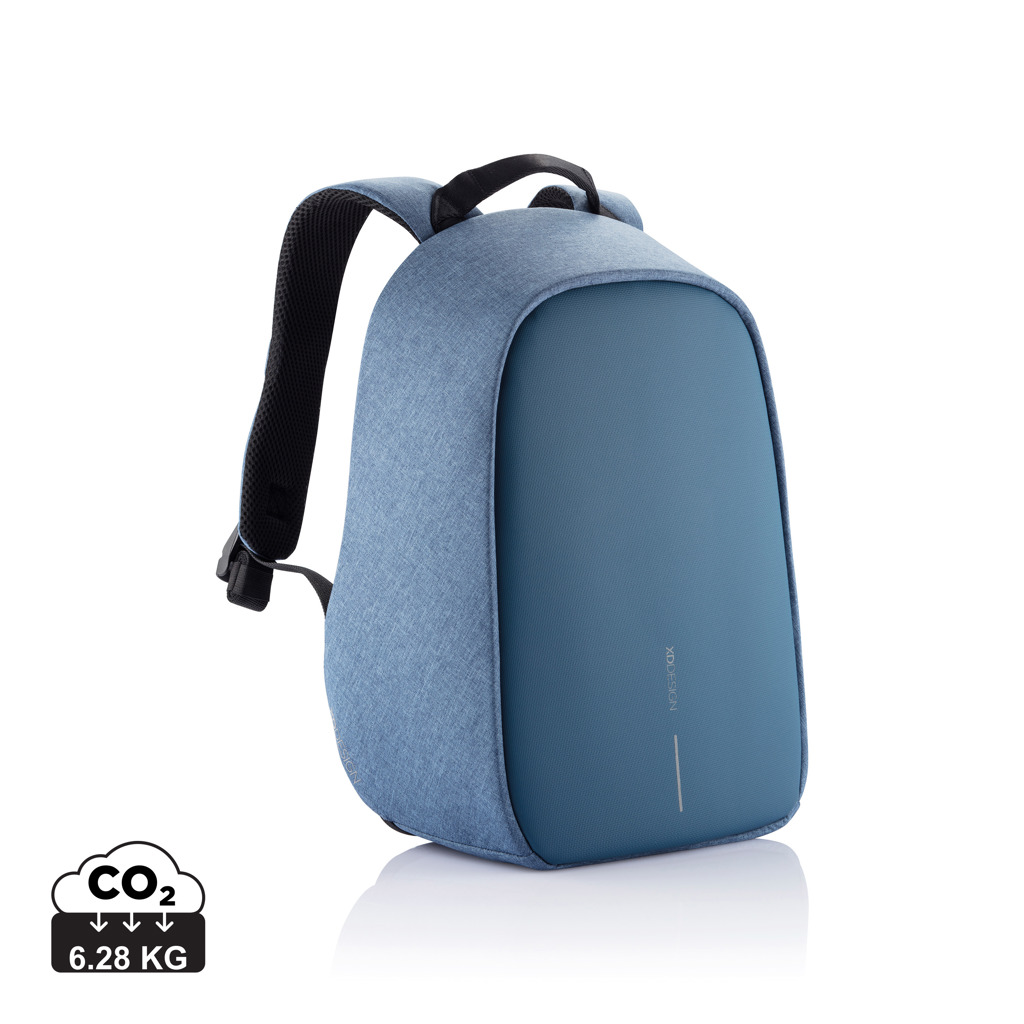
The Bobby Hero line represents a new era in anti-theft backpacks, offering safety, ease and organisa
GP2P70570
from
53,43€
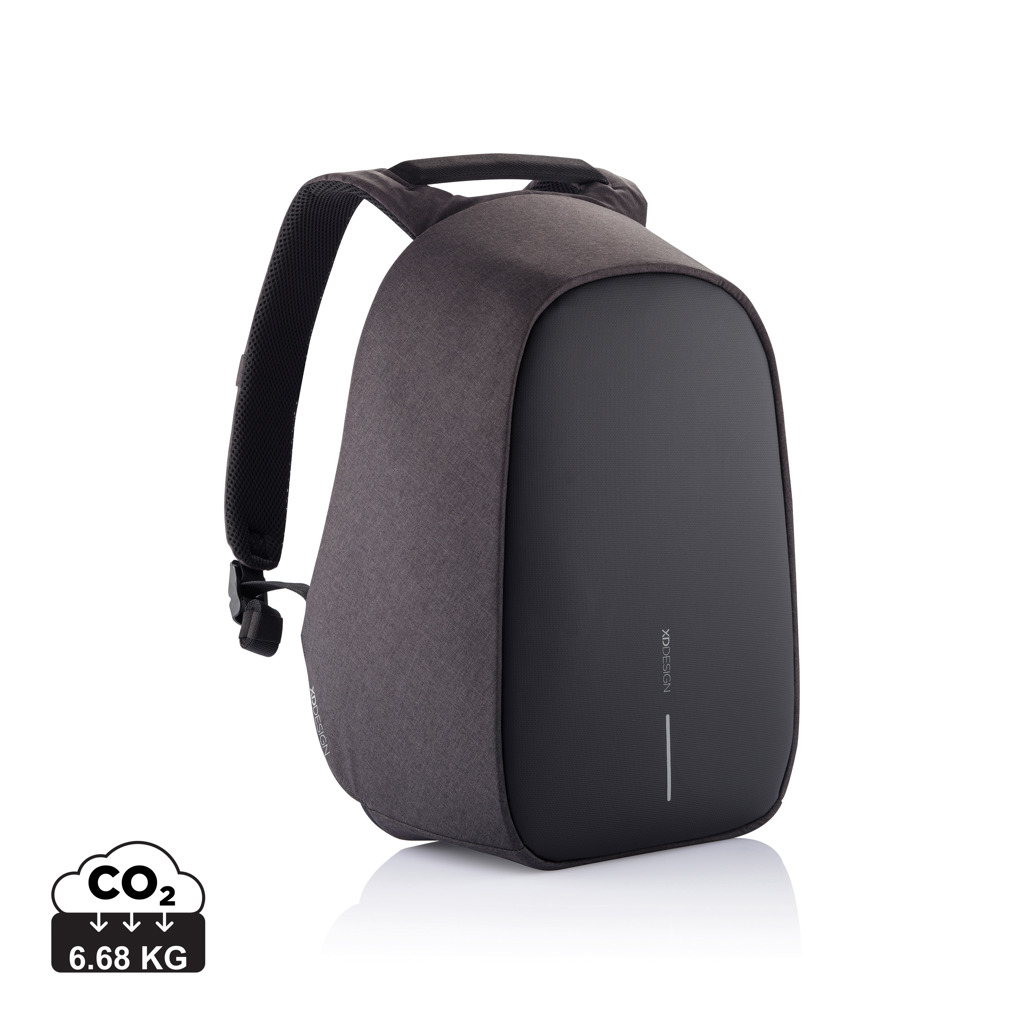
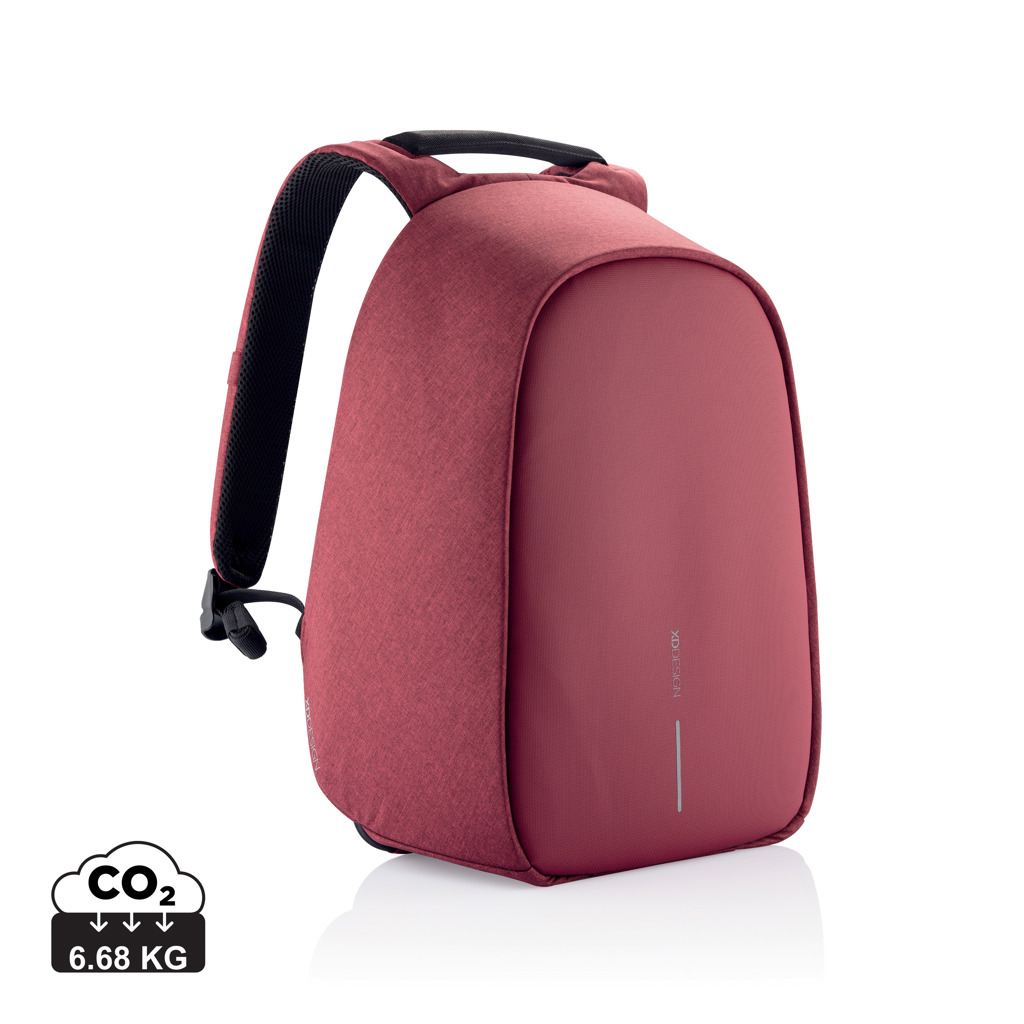
The Bobby Hero line represents a new era in anti-theft backpacks, offering safety, ease, and organis
GP2P70529
from
61,06€


